Understanding Errors and Omissions Insurance in Washington State: A Comprehensive Guide

Imagine navigating the complexities of running a business without the safety net of insurance. One misstep or oversight could lead to substantial financial consequences. That’s where errors and omissions (E&O) insurance steps in as a savior. In Washington State, understanding and leveraging E&O insurance isn’t just a smart move—it’s essential.
Errors and omissions insurance, often termed professional liability insurance, is crafted to protect businesses and professionals against claims of negligence or inadequate work. Let’s delve into the intricacies of E&O insurance and explore why it’s a crucial component of a secure business strategy in the Evergreen State.
Understanding Errors and Omissions Insurance
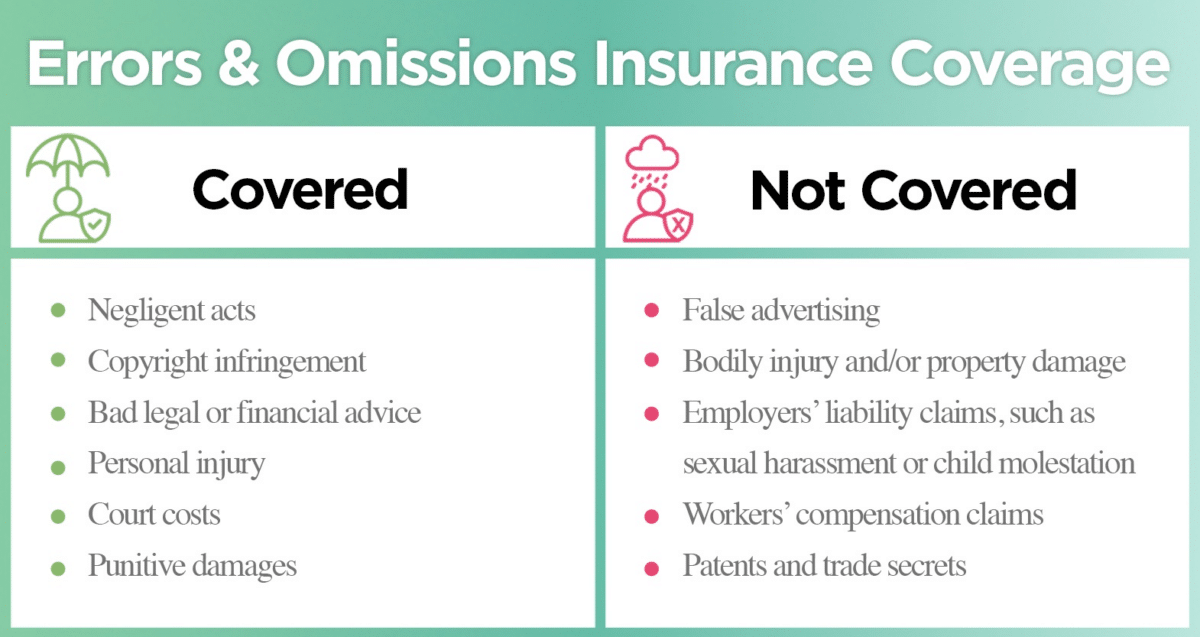
Did you know that a single mistake can cost your business thousands of dollars? That’s where Errors and Omissions insurance, or E&O, comes in. It’s your safety net when you make an error that impacts a client.
Think of it as a shield protecting your business from lawsuits due to mistakes or negligence. E&O insurance specifically caters to professionals who offer advice or services, like consultants, real estate agents, and financial planners. When clients claim you didn’t deliver as promised, E&O insurance steps in.
The Essentials of E&O Insurance Coverage
So, what exactly does E&O insurance cover? In short, it covers defense costs and settlements if you’re at fault. This includes legal fees, court costs, and any settlements or judgments. But remember, it doesn’t cover intentional acts of misconduct.
- Legal Defense Costs: Even groundless claims can cost a fortune to defend.
- Settlements and Judgments: Covers the costs if you settle or lose a lawsuit.
- Real-Life Mistakes: Covers clerical errors, missed deadlines, and more.
Having E&O insurance can make the difference between a thriving business and one that’s financially crippled by a lawsuit.
Who Needs Errors and Omissions Insurance?
If you think E&O insurance is only for certain industries, think again. Any business providing expertise for a fee should consider it. Professions like real estate agents, accountants, IT consultants, and even wedding planners are often at risk. Essentially, if you offer professional advice or services, you need this coverage.
Pro Tip: If you’re in a regulated industry, E&O insurance might not just be a good idea—it could be mandatory.
Benefits of Having E&O Insurance
Why should you care about E&O insurance? Simple: it’s peace of mind. Here’s what you get:
- Risk Mitigation: Protects your personal and business assets.
- Client Confidence: Shows your clients you’re serious about your business.
- Broad Coverage: Covers a wide range of mistakes and oversights.
- Financial Security: Helps keep your business afloat during legal battles.
Here is the deal: E&O insurance isn’t just a box to tick off. It’s a critical component of your business strategy.
Legal Requirements in Washington State
Did you know that skipping out on Errors and Omissions (E&O) insurance could cost you hefty fines in Washington State? That’s right, even if you’re just a small-time consultant or freelancer.
Understanding the specific legal requirements in Washington is crucial for protecting your business. Let’s dive into the nitty-gritty details.
State-specific E&O Insurance Regulations
Washington State mandates E&O insurance for several professions, and it’s important to know where you stand. These regulations ensure that professionals are covered against claims of inadequate work or negligent actions.
Here is the deal: not all professions have the same requirements, so you need to be on top of what’s required for your specific field. Navigating through this can be tricky, but we’ve simplified it for you:
| Profession | Minimum Coverage Required | State Regulations | Renewal Period |
|---|---|---|---|
| Real Estate Agents | $100,000 per occurrence | Mandatory for license renewal | Annually |
| Insurance Brokers | $500,000 per claim | State-mandated minimums | Every two years |
| Financial Advisors | $1,000,000 aggregate | Required for practice | Annually |
Consequences of Non-compliance
Ignoring E&O insurance requirements in Washington isn’t just risky—it’s potentially disastrous. The state imposes penalties and fines for non-compliance. In some cases, you might even lose your license to operate.
Pro Tip: Make it a priority to review your E&O insurance annually to ensure it meets the current state regulations. Ignoring this could mean jeopardizing your professional credibility and financial stability.
Comparing E&O Insurance Providers in Washington
Did you know that choosing the right E&O insurance provider can save you thousands annually? But here’s the deal: not all providers offer the same coverage or value.
When it comes to protecting your business, you’ll want the best coverage possible. Let’s dive into what makes some E&O insurance providers stand out in Washington State.
Key Factors in Choosing an E&O Insurance Provider
Before you pick a provider, it’s crucial to understand a few things. First, coverage options can vary widely, impacting what risks are actually insured. Second, customer ratings can reveal how well a provider supports its clients. Lastly, pricing should match your budget without compromising on necessary coverage.
Here’s how to compare and contrast efficiently:
| Provider Name | Coverage Options | Customer Ratings | Pricing |
|---|---|---|---|
| Provider A | Comprehensive, including cyber liability | 4.8/5 | $$$ |
| Provider B | Basic coverage, add-ons available | 4.2/5 | $$ |
| Provider C | Standard, excludes cyber liability | 3.9/5 | $ |
How to Effectively Compare Quotes
Comparing quotes might seem overwhelming, BUT there’s a streamlined way to do it. Start by requesting quotes from at least three different providers. Make sure you’re comparing apples to apples – similar coverage limits and deductibles.
Pro Tip: Use an online comparison tool to see quotes side by side. This not only saves time but also highlights any hidden fees or exclusions you might miss otherwise.
Always read the fine print. What looks cheap upfront may cost you more in the long run.
Finally, don’t just look at the price. Consider the provider’s claims process and customer service. You want a provider with a reputation for quick and fair claims resolutions.
Common Claims and Coverage Limitations
Think you’re safe from lawsuits because you have E&O insurance? Think again. 52% of policyholders are surprised by what’s not covered.
Errors and omissions insurance is vital. But it’s not a magic bullet. There are specific structures in play when it comes to coverage, and knowing them can save you from costly mistakes.
Typical Claims Filed Under E&O Insurance
Most claims revolve around negligence, misrepresentation, and inaccurate advice. These can range from minor oversights to significant blunders. Even the smallest error could potentially lead to a major financial loss for your client, and that’s when E&O insurance steps in to cover the damages.
BUT here is the deal: Not all scenarios get the green light for coverage. Understanding which claims are commonly accepted can give you a heads up in case an issue arises.
Consider a real estate agent who fails to disclose a property defect. The buyer later sues for negligence. This is a classic E&O claim scenario. The policy would typically cover legal fees and settlements up to the policy limits.
Limitations and Exclusions in E&O Policies
E&O insurance doesn’t cover everything. Common exclusions include fraudulent acts, illegal activities, and bodily injury. If you think everything is covered, you’ll want to take a closer look at these policies.
Many policies also have a retroactive date. This means only claims arising from acts committed after that date are covered. Claims involving intentional wrongdoing or criminal acts? Also not covered.
Pro Tip: Always read the fine print. Policy limits can vary widely, and understanding them can prevent you from being underinsured.
Cost Factors and Premium Calculation
Did you know that two identical businesses can pay wildly different amounts for their Errors and Omissions insurance? The secret lies in understanding the labyrinth of factors that determine your premium.
From the industry you operate in to your claims history, various elements influence the cost of your E&O insurance. By dissecting these components, you can discover ways to reduce your premium without skimping on essential coverage.
Factors Influencing E&O Insurance Premiums
Several factors play a pivotal role in shaping your E&O insurance costs. Industry risk level, claims history, and even your geographical location are just the tip of the iceberg. But here is the deal: not all factors are out of your control. Let’s break them down:
- Industry Type: High-risk industries like finance pay more.
- Business Size: Larger operations typically incur higher premiums.
- Claims History: Frequent claims can raise your rates significantly.
- Policy Limits and Deductibles: Higher limits and lower deductibles mean higher premiums.
Reducing Premiums Without Compromising Coverage
You don’t have to break the bank to protect your business. Step #1 is to shop around. Different providers assess risk differently, and you might find a better rate elsewhere. Step #2: Maintain a clean claims history. This might sound like a no-brainer, but minimizing claims can drastically lower your premiums.
Pro Tip: Increase your deductible slightly. It can substantially decrease your premium, but ensure you can afford the out-of-pocket costs if you need to file a claim.
Let’s lay it out clearly:
| Factor | Impact on Premium | Ways to Mitigate Costs |
|---|---|---|
| Industry Type | High-risk industries = higher premiums | Choose specialized providers that understand your industry risks |
| Business Size | Larger businesses pay more | Consider scaling coverage to match actual risk |
| Claims History | Frequent claims increase rates | Implement risk management practices |
| Policy Limits and Deductibles | Higher limits = higher premiums | Balance limits and deductibles with risk tolerance |
Trends and Future Outlook for E&O Insurance
:max_bytes(150000):strip_icc()/EO-Final-35aff6b5f50644aabd242e60da643e80.jpg "Understanding Errors and Omissions Insurance in Washington State - bad ...")
Did you know that the demand for E&O insurance in Washington State is expected to grow by over 20% in the next five years? This trend is driven by an evolving business landscape and increasing regulatory requirements.
As businesses become more complex, so does the need for comprehensive coverage. E&O insurance is no longer just a safety net—it’s a strategic necessity. But what can we expect from the E&O insurance market in the future?
Increasing Technological Integration
Technology is changing the game. Insurers are increasingly using AI and big data to streamline claims processing and improve risk assessments. Whether you’re a small business owner or a large corporation, expect more personalized premiums thanks to these advancements.
But here is the deal: with new tech comes new risks. Cyber liability is becoming a critical component of E&O policies. Are you prepared to protect your digital assets as part of your E&O coverage?
Shifts in Regulatory Requirements
Washington State is tightening regulations to protect consumers, which means more scrutiny for businesses. Compliance is no longer just advisable—it’s essential. Stay ahead of the curve by keeping up-to-date with regulatory changes and adjusting your coverage accordingly.
Pro Tip:
Regularly review your policy with a qualified insurance advisor to ensure it meets current legal standards and protects against emerging risks.
Customization and Flexibility in Policies
No two businesses are alike, and neither should their insurance policies be. The future of E&O insurance is all about customization. Insurers are offering more flexible terms, allowing businesses to tailor policies to their unique risk profiles.
This trend means you can expect a more competitive marketplace, with providers eager to offer bespoke solutions. But remember, not all customization is created equal. Ensure that your policy genuinely covers your specific needs.
Last Word
In the ever-evolving landscape of professional services and business operations, E&O insurance stands as a pillar of protection and peace of mind. By understanding its nuances and adhering to state-specific requirements, professionals in Washington State can safeguard their careers and businesses against unforeseen claims. Remember, in the world of business, preparation equals protection.
Answers to Common Questions
What is the main purpose of errors and omissions insurance?
Errors and omissions insurance protects businesses and professionals from claims related to negligence or inadequate work.
Which professions typically require E&O insurance?
Professions such as real estate agents, consultants, and financial advisors often require E&O insurance.
What are the legal requirements for E&O insurance in Washington State?
Washington State mandates certain professions to have minimum coverage requirements as per state regulations.
What are common claims filed under E&O insurance?
Common claims include alleged negligence, inaccurate advice, or misrepresentation.
How can policyholders reduce their E&O insurance premiums?
Policyholders can reduce premiums by maintaining a clean claims history and implementing risk management practices.