Ever wondered what could potentially save your small business from unexpected financial turmoil? Yes, you guessed it right—insurance! Insurance isn’t just a formality; it’s a crucial safety net that every small business should have. In today’s fast-paced world, having the right insurance can mean the difference between thriving and merely surviving when disaster strikes.
Small businesses are the backbone of our economy, yet they often operate on tight budgets and razor-thin margins. This makes them particularly vulnerable to risks like property damage, legal liabilities, or even employee injuries. But fear not! With the right small business insurance, you can safeguard your hard work and ensure a secure future for your business, even in the face of adversity.
Introduction to Small Business Insurance
Did you know that 40% of small businesses never reopen after a disaster? This is why insurance is your safety net. Without it, you’re playing with fire.
Small business insurance is like a superhero cape for your company. It protects you from unexpected events that could otherwise wipe out your hard work. From natural disasters to lawsuits, the right coverage can make or break your business survival.
The Importance of Insurance for Small Businesses
Every small business faces unique risks. Whether it’s a customer slipping in your store or a data breach, having insurance can prevent financial disaster. It’s not just about peace of mind; it’s about survival.
Think about it this way: insurance is a small investment for a potentially massive payoff. It keeps you in control when everything else seems to be spinning out of it. You wouldn’t drive without a seatbelt, so don’t operate a business without insurance.
Common Types of Small Business Insurance
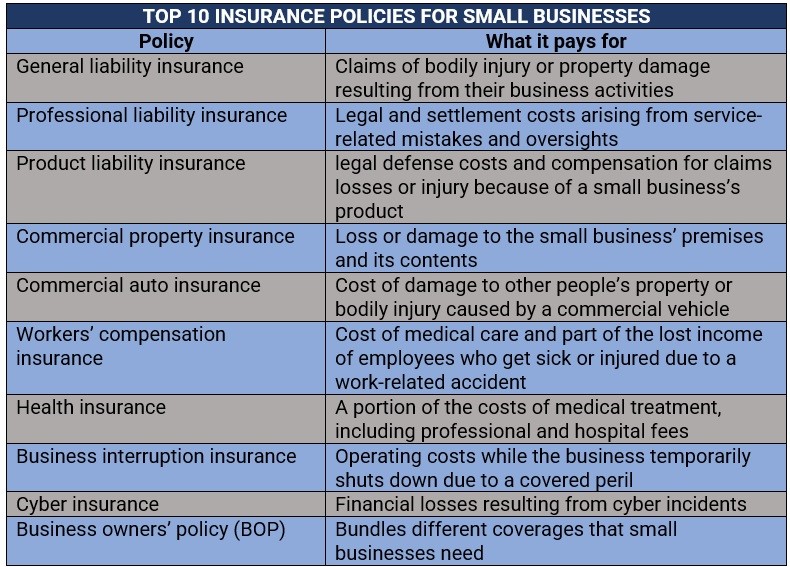
Confused about which insurance you need? Here’s a quick rundown. General Liability protects you from lawsuits. Professional Liability covers you in case of errors. Property Insurance safeguards your physical assets. Worker’s Compensation is a must if you have employees.
Pro Tip: Tailor your insurance to your industry. A tech startup’s needs are vastly different from a coffee shop.
Each type of insurance is designed to tackle specific risks, so don’t assume one-size-fits-all coverage will cut it. Review your business activities and choose accordingly.
Risks Small Businesses Face Without Insurance
Operating without insurance is like walking a tightrope without a net. You’re exposed to financial ruin if something goes wrong. From theft to natural disasters, the risks are real and numerous.
Imagine a fire destroying your inventory or a lawsuit draining your bank account. These scenarios aren’t just possible—they’re probable. The financial implications could set you back years, or worse, close the doors for good.
Types of Small Business Insurance

Did you know that 40% of small businesses will likely experience a property or liability loss within the next 10 years? That’s a staggering figure! Small businesses need the right insurance to protect against these risks.
Choosing the right insurance can seem overwhelming, but it’s crucial for safeguarding your business. Here’s the deal: you need to understand the different types of insurance available and how they can protect your business. Let’s dive into the specifics.
Common Types of Small Business Insurance
There are several types of insurance that small businesses typically consider. These are designed to cover different aspects and risks associated with running a business. Here’s a quick breakdown:
| Type | Coverage | Cost |
|---|---|---|
| General Liability Insurance | Covers legal fees and damages from bodily injury or property damage claims. | $400 – $600 per year |
| Property Insurance | Protects your business property against damage or loss due to events like fire or theft. | $500 – $1000 per year |
| Workers’ Compensation Insurance | Provides medical and wage benefits to employees injured at work. | $2,000 – $3,000 per year |
| Professional Liability Insurance | Covers claims related to professional errors and omissions. | $1,000 – $2,000 per year |
Understanding Liability vs. Property Insurance
When it comes to Liability Insurance and Property Insurance, it’s essential to know how they differ. Liability insurance is all about protection against third-party claims. These might arise from slip-and-fall accidents or defamation claims. On the other hand, property insurance focuses on protecting the physical assets of your business, like buildings, equipment, and inventory.
Pro Tip: Never underestimate the importance of assessing your business risks to determine the right insurance mix. Tailored coverage is key to avoiding unexpected financial setbacks.
If you skip liability insurance, you might face costly legal battles. But without property insurance, a fire or theft could cripple your business. Both types are crucial, but the right balance depends on your specific business needs and risks.
Benefits of Having Business Insurance
Think business insurance is just another expense? Think again. It can be your business’s lifeline in times of crisis.
Business insurance isn’t just about covering losses—it’s about peace of mind. You work hard to build your business, and insurance ensures your efforts aren’t wiped out overnight by the unexpected. Without it, a single accident or lawsuit could drain your finances faster than you can blink.
Financial Protection from Unforeseen Events
Let’s face it, we can’t predict the future. But you can prepare for it. Business insurance cushions you against unforeseen events like property damage, theft, or liability claims. Imagine a fire breaking out in your office—scary, right? With insurance, you’re covered for repairs, replacements, and lost income. Without it, you’d be staring at a hefty bill.
Safeguarding Against Legal Liabilities
Did you know that small businesses face around a 36% chance of being sued in any given year? That’s a huge risk. Here’s the deal: liability insurance protects you from lawsuits that could otherwise bankrupt you. Whether it’s a customer slipping on a wet floor or a contract dispute, insurance covers legal fees and settlements.
Real-World Scenarios Where Insurance Was Crucial
Consider this scenario: a small bakery suffered a severe storm that damaged its roof and equipment. Thanks to their business insurance, they received enough coverage to get back up and running quickly. Without it, they might have had to close their doors permanently.
Pro Tip: Always review what specific incidents are covered under your policy to avoid surprises later.
How to Choose the Right Insurance Policy
Did you know that 40% of small businesses never reopen after a disaster? Crazy, right? That’s why getting the right insurance policy is crucial for your business survival and success. BUT, with so many options out there, how do you find the perfect fit?
The first step is understanding your unique business needs. Every business is different, and the insurance coverage that works for one might not work for another. Here’s the deal: you need to make a comprehensive assessment of what your business truly requires.
Assessing Your Insurance Needs
Start by identifying the specific risks your business faces. Are you a retailer with a physical storefront? Then, property and liability insurance might be high on your list. Work from home? You might need less but different coverage. Evaluate your assets, potential liabilities, and the nature of your business activities. This is Step #1 in finding the right policy.
Pro Tip: Talk to an insurance advisor who specializes in your industry. They’ll have insights that generic advice can’t offer.
Comparing Insurance Policies and Providers
Once you’ve nailed down your needs, it’s time to compare. Not all policies are created equal. Look beyond the premium; examine what’s covered, the limits, and the exclusions. Here’s how: create a table to keep track of these details as you research different providers.
| Provider | Coverage | Premium | Exclusions |
|---|---|---|---|
| Provider A | Property, Liability | $500/year | Floods |
| Provider B | Liability, Cyber | $600/year | Acts of Terrorism |
Check reviews and compare ratings. Remember, the cheapest policy isn’t always the best. What matters is adequate protection for your business.
Checklist for Selecting Insurance
Now that you have a clearer picture, here’s a checklist to guide you:
- Assess your business risks.
- Determine the types of insurance you need.
- Research and shortlist insurance providers.
- Compare policies using a detailed table.
- Read policy details carefully, including exclusions.
- Check provider reputation through reviews.
- Consult with an industry-specific insurance expert.
Following this checklist ensures you don’t overlook any step in securing the right coverage for your small business. The bottom line? It’s about peace of mind and safeguarding your hard-earned success.
Cost Factors and Insurance Premiums
Did you know that 40% of small businesses don’t reopen after a disaster? That’s why insurance is crucial. But understanding the cost is just as important.
Insurance premiums can feel like a mystery. However, several identifiable factors determine what you pay. Let’s break them down and see how you can save.
Factors Affecting Insurance Costs
Insurance premiums aren’t arbitrary. They hinge on several key factors. Location, for instance, plays a massive role. Is your business in a flood zone or high-crime area? Expect to pay more. Your industry type matters too. A construction business will face higher rates than a retail store due to inherent risks.
Don’t forget your claims history. Frequent claims can skyrocket your premium. And then there’s the coverage amount you choose—higher coverage means higher costs.
Strategies to Lower Insurance Premiums
If you think you’re stuck with high premiums, think again. Bundling policies is a smart move. Insurers often offer discounts for multi-policy holders. Look at your deductibles too. Opting for a higher deductible can reduce your monthly costs significantly.
And remember, safety pays off. Implement safety protocols and show your insurer that you’re serious about risk management.
Pro Tip: “Regularly review and update your policies to ensure you’re not overinsured or paying for unnecessary coverage.”
Sample Cost Breakdown
Let’s put some numbers into perspective with a sample cost breakdown. This helps you see where your money is going and what you can do about it.
| Factor | Impact | Solutions |
|---|---|---|
| Location | High risk in disaster-prone areas | Relocate or mitigate risks with safety measures |
| Industry Type | Higher risk increases premiums | Adopt industry best practices to lower risk |
| Claims History | Frequent claims = higher costs | Implement stronger risk management |
| Coverage Amount | More coverage increases costs | Evaluate actual needs to avoid overinsurance |
Trends and Future of Small Business Insurance
Did you know that 40% of small businesses are likely to experience a claim in the next 10 years? With evolving risks and emerging technologies, the landscape of small business insurance is changing faster than ever.
Let’s break down these changes and see what the future holds for small business insurance. From tech-driven innovations to customized coverage plans, there’s a lot to watch out for.
Current Trends in Small Business Insurance
One of the biggest trends shaking up the industry is digital transformation. Insurers are using AI and big data to streamline the underwriting process, making it easier and faster for you to get coverage. This means fewer headaches and more time to focus on your business.
Another trend? Cyber insurance. With cyber threats on the rise, it’s not surprising that more small businesses are adding this coverage to their policies. Cyber insurance is no longer a nice-to-have; it’s a must-have.
Future Innovations in Insurance for Small Businesses
Imagine getting a policy tailored just for your business needs! With the rise of personalized insurance products, this is becoming a reality. Insurers are leveraging data analytics to offer plans that fit your unique risk profile.
We’re also seeing growth in the adoption of blockchain. It’s touted to bring transparency and reduce fraud, ensuring you get what you pay for with absolute trust in your transactions.
How Small Businesses Can Adapt to Future Trends
So, how can you ride this wave of change? Step #1: Stay informed. Knowledge is power, and understanding these trends can help you make better insurance decisions.
Step #2: Embrace technology in your operations. A strong tech backbone can help you tap into new insurance innovations. Remember, the way you run your business can directly impact your insurance options.
Pro Tip: Regularly review your insurance policy to ensure it matches your evolving business needs and risk landscape.
Here is the deal: the future is uncertain, but by staying proactive, you can ensure your business is ready for whatever comes its way.
Final Thoughts
In conclusion, navigating the world of small business insurance might seem daunting, but it is an indispensable investment for your business’s longevity. By understanding the different types of insurance available and carefully assessing your unique needs, you can select a policy that provides practical and comprehensive coverage. Remember, the right insurance is not just a cost; it’s an investment in peace of mind and business continuity.
Frequently Asked Questions
Why is insurance important for small businesses?
Insurance protects small businesses from financial losses due to unforeseen events such as accidents, natural disasters, or lawsuits.
What are common types of small business insurance?
Common types include liability insurance, property insurance, workers’ compensation, and professional indemnity insurance.
How can small businesses lower their insurance premiums?
Businesses can lower premiums by bundling insurance policies, increasing deductibles, and implementing risk management practices.
What risks do small businesses face without insurance?
Without insurance, businesses risk financial ruin from lawsuits, property damage, or employee injuries.
How can I choose the right insurance policy for my business?
Assess your business risks, compare policies and providers, and consult with a knowledgeable insurance advisor.
